Artificial Intelligence isn’t coming – it’s already here, and it’s here to stay. From smart assistants that schedule our meetings, to tools that write emails, summarize documents and even generate art, IT has quielty woven itself into our daily routines. It’s in our inboxes, our browsers, our homes and our workflows. And while the conveninece is highly undeniable, it’s worth asking: are we using AI to make life easier, or are we letting it make devicions we should still own?
The rise of AI has been nothing short of explosive. In the workplace, it’s helping teams automate repetitive tasks, draft content, analyze data and in some industries write programs. At home, it’s powering everything from voice-controller lights to personalized shopping suggestions. These tools can save time, reduce friction and unlock creativity – but they also come with trade offs. Overreliance on AI can dull critical thinking, introduce bias and quietly erode privacy if we’re not paying attention.
So how can we find the right balance?
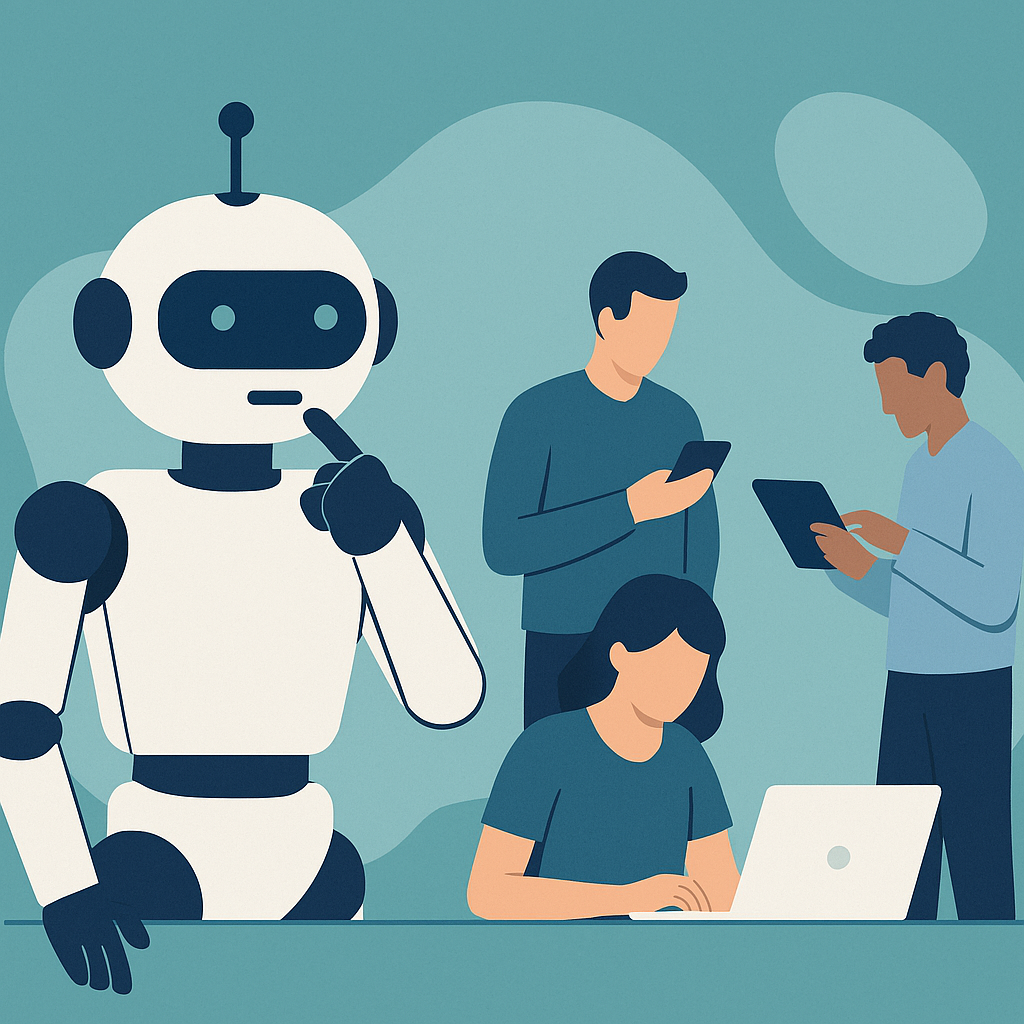
The first step is to start treating AI like a power tool: incredibly useful, but not something you hand to a toddler or use without reading the manual. Understand what data the tool is collecting and where that data goes once you press send. Use the AI tools to assist, not replace, your judgement – especially in sensitive areas such as hiring, finances or healthcare. These tools can offer good advice, but there is a reason medical school is as long as it is! In the workplace, make sure your teams know when AI is being used and how its outputs are reviewed. At home, be mindful of what you are sharing with smart devices and apps, take the time when you set them up to adjust the privacy settings to keep you and your families safe. It’s important to know what your devices are doing, here is a good article that covers some of these settings on some common devices.
So what’s the bottom line? AI is here to stay, and it’s not a bad thing. As time goes on, the tools will get better and better, but there will always be a cost associated with that improvement, in most cases that cost will be monetary – but there will always be a privacy risk associated as well. Data is becoming the new currency, companies collect all of our data when using their services, and we often accept terms of new AI tools without reading any of it, allowing them to reuse our data to train the models – or store our data and resell it to their partners. It’s important to control what we feed these systems, whether it’s a Chat Bot style AI like ChatGPT, or if it’s a voice recognition system, be careful what you say around it or have a way to control the microphone and only turn it on when you want to use it. All of that to be simply put, use these tools to amplify our thinking, not replace.